Routine automation is becoming a commodity.
AI agents increasingly generate and execute the deterministic scripts that once required specialist effort. The durable engineering problem is proving that autonomous work is correct.
Automation architecture · Engineering consulting
I’m Dhiraj, an automation consultant with over a decade of experience across web, mobile, APIs, and enterprise workflows. I design test architectures, diagnose difficult failures, and bring the same discipline to AI agents.
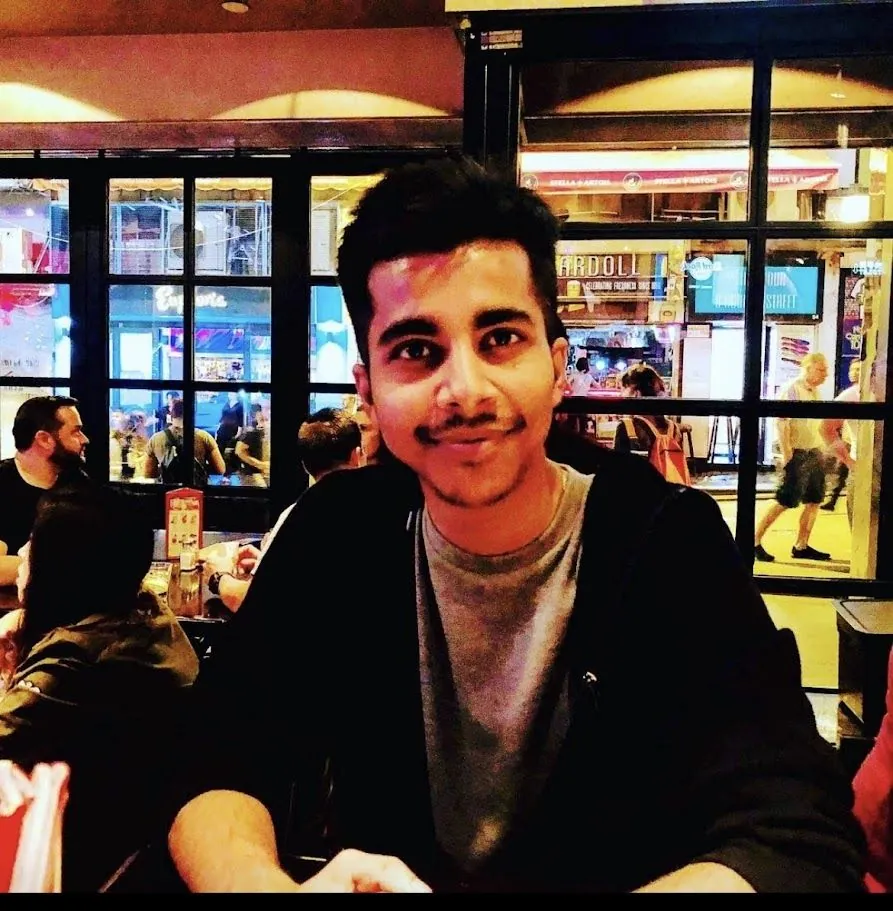
Dhiraj DasTest architecture → Agentic AI reliability
Selected work
From flaky browser tests and repeated login setup to visual regressions and AI-agent failures. These tools show how I investigate a problem, define its boundaries, and build a solution you can inspect.
My work sits at the intersection of test automation and agentic AI reliability. After years of building test frameworks, stabilizing brittle browser flows, debugging CI failures, and turning ambiguous defects into reproducible evidence, I apply the same engineering discipline to AI-agent validation, run observability, and reliability tooling.
Agent testing is not just prompt evaluation. Reliable agentic systems need observability, replayable evidence, failure taxonomies, browser/runtime signals, safe redaction, and postmortems that explain risk. That is the bridge I am building through Agent Blackbox and related reliability tooling.
"Reliable agents need the same discipline that made reliable automation possible.|
Read full backgroundAI agents increasingly generate and execute the deterministic scripts that once required specialist effort. The durable engineering problem is proving that autonomous work is correct.
Ten years of assertions, fixtures, failure isolation, CI diagnostics, and evidence capture transfer directly to agents that call tools, edit files, and make decisions.
I build local-first run capture, validation harnesses, replay, redaction, and failure postmortems so agentic systems can be trusted under production pressure.
Ten years of automation work shaped the habits I now bring to agents: observe the run, control the inputs, isolate the failure, and prove the fix.
Consulting on automation strategy and quality systems while independently building reliability tooling for AI-assisted engineering: agent run capture, validation workflows, and failure postmortems.
Extending automation discipline into observable, repeatable, evidence-backed agent workflows
Built and stabilized large web, API, and mobile automation programs across high-pressure delivery environments.
Reduced flaky failures by 70% across 200+ test suites
Built the foundations: reliable Selenium suites, CI integration, maintainable test design, and close QA-engineering collaboration.
Compressed manual regression from 2 weeks to 3 days
Pick the reliability gap: opaque agent runs, flaky CI, Cloudflare walls, login overhead, visual drift, or GenAI UIs. I build tools for the places normal automation and naive AI workflows break.
Latest notes on automation, agentic AI, reliability, and engineering
Local Test Pulse reads the report your test runner already produced and turns it into a trustworthy Omarchy bar signal. ...
Read ArticleOmaudit already scans plugin capabilities. Omaudit Status adds a bounded desktop signal, then treats every green or ambe...
Read ArticleWhen a browser path already worked, rediscovery is waste. Flow2Skill treats a Playwright demonstration as compiler input...
Read Article